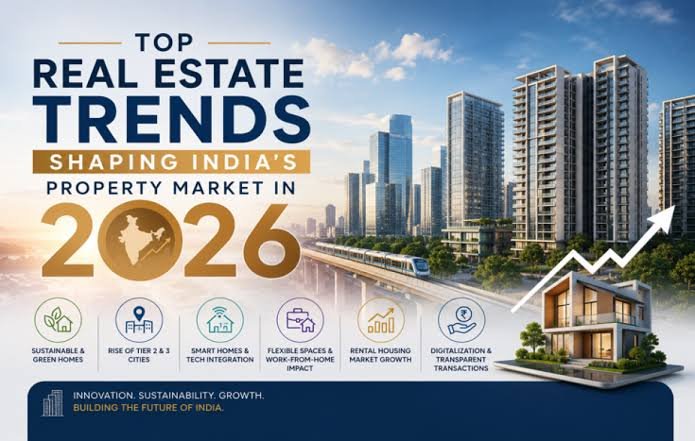
The Future of Real Estate Today: Top Trends That Will Shape the Property Market
The real estate industry is entering an exciting period of change. Technology, changing buyer preferences, urban development, sustainability, and economic conditions are transforming how people buy, sell, rent, and invest in property. As we move through 2026 and beyond, understanding these changes can help buyers, investors, developers, and real estate professionals make smarter decisions.
The future of real estate is not simply about owning more property. It is increasingly about location, technology, convenience, sustainability, affordability, and long-term value.
1. Technology Will Transform Real Estate
Technology is becoming one of the biggest forces shaping the property market. From virtual property tours to artificial intelligence, digital tools are making real estate transactions faster and more convenient.
Buyers can explore properties online, compare prices, view floor plans, and even take virtual tours before visiting a property physically. Real estate businesses are also using data and AI-powered tools to understand customer preferences and identify market opportunities.
In the coming years, technology will likely become even more important throughout the property-buying journey.
2. Artificial Intelligence Will Become a Major Real Estate Tool
Artificial intelligence is changing how businesses analyze information and communicate with customers.
Real estate companies can use AI to analyze market trends, estimate property values, organize leads, automate customer communication, and identify potential investment opportunities.
For buyers and investors, AI-powered platforms may make it easier to compare properties and understand market conditions. However, technology should support human decision-making rather than completely replace professional advice and careful research.
3. Smart Homes Will Become More Popular
Modern buyers increasingly want homes that offer convenience, security, and energy efficiency.
Smart homes can include connected lighting, security systems, thermostats, appliances, cameras, and other devices that can be controlled through smartphones or automated systems.
As smart-home technology becomes more affordable and accessible, these features may become increasingly attractive to homeowners and tenants.
4. Sustainability Will Influence Property Decisions
Environmental concerns are becoming more important in real estate.
Energy-efficient buildings, solar power, better insulation, water-saving systems, natural lighting, and environmentally friendly construction materials can help reduce operating costs while supporting sustainability.
Developers are increasingly paying attention to green building practices because energy efficiency can improve the long-term appeal and performance of properties.
For future buyers, sustainability may become an important factor when comparing homes and commercial properties.
5. Affordable Housing Will Remain a Major Challenge
One of the biggest issues facing many property markets is affordability.
Rising construction costs, land prices, financing expenses, and demand for housing can make it difficult for first-time buyers to enter the market.
This challenge is likely to encourage developers and policymakers to explore smaller homes, affordable housing projects, rental housing, and new approaches to urban development.
Affordability will remain a major factor influencing the future of real estate.
6. Cities Will Continue to Evolve
Urban development is changing the way people think about where they live and work.
Modern developments increasingly focus on accessibility, public transportation, schools, healthcare, shopping, recreation, and employment opportunities.
The concept of mixed-use development is also becoming increasingly important. These projects combine residential, commercial, retail, and recreational spaces in the same area, creating more convenient communities.
7. Flexible Work Will Influence Residential and Commercial Property
The growth of remote and hybrid work has changed the relationship between people and their workplaces.
Some employees now value homes with dedicated workspaces, reliable internet connectivity, and flexible layouts. At the same time, commercial property owners are adapting offices to support collaboration, meetings, and flexible working arrangements.
This means both residential and commercial real estate may continue to evolve around changing work patterns.
8. Digital Marketing Will Become Essential for Real Estate Businesses
The way properties are marketed is changing rapidly.
Traditional advertising is increasingly being combined with social media, search engine optimization, video marketing, email marketing, online property listings, and virtual tours.
High-quality photography and video content can help properties attract attention online, while targeted digital campaigns can connect sellers and developers with specific audiences.
Real estate professionals who understand digital marketing will have an advantage in an increasingly competitive market.
9. Data Will Drive Better Property Decisions
Data is becoming one of the most valuable resources in real estate.
Property prices, rental demand, population growth, infrastructure development, employment trends, and neighborhood activity can all provide useful insights.
Investors can use data to compare locations and evaluate potential opportunities. Buyers can also research historical prices, local amenities, connectivity, and future development before making major decisions.
The future of real estate will increasingly depend on making decisions based on reliable information rather than assumptions.
10. New Infrastructure Will Create Emerging Opportunities
Infrastructure development can have a major influence on property values and demand.
New highways, metro systems, airports, business districts, schools, hospitals, and commercial centers can improve connectivity and make previously less-developed areas more attractive.
However, investors should not assume that every infrastructure announcement will automatically result in higher property values. Proper research into timelines, demand, regulations, and actual development is essential.
11. Rental Housing Will Continue to Matter
Not everyone wants or can afford to purchase a home. As a result, rental housing will remain an important part of the property market.
Young professionals, students, relocating workers, and families may all contribute to rental demand.
Well-located rental properties with convenient amenities, good connectivity, and reasonable pricing could remain attractive to both tenants and investors.
12. Real Estate Investment Will Become More Accessible
Technology is also making property investment more accessible.
Digital platforms and new investment models can allow people to learn about different types of real estate opportunities without relying entirely on traditional methods.
However, real estate remains a significant financial decision. Investors should carefully evaluate costs, risks, regulations, liquidity, and potential returns before committing money.
13. Experience Will Matter More to Buyers
Modern property buyers are increasingly interested in more than square footage.
They may also consider lifestyle, community, security, amenities, connectivity, environmental quality, and convenience.
Developers that create attractive communities rather than simply constructing buildings may be better positioned to meet changing consumer expectations.
14. The Rise of PropTech
PropTech, short for property technology, is bringing digital innovation into almost every part of real estate.
It includes online property platforms, digital documentation, virtual tours, smart-building technology, property management software, AI tools, and data analytics.
As these technologies improve, buying, selling, renting, and managing property could become increasingly digital.
What These Trends Mean for Buyers and Investors
The future property market will create opportunities, but it will also require better decision-making.
Before buying a property, consider:
- Location and connectivity
- Property demand in the area
- Infrastructure development
- Construction quality
- Legal and regulatory factors
- Financing costs
- Rental potential
- Long-term maintenance expenses
- Sustainability and energy efficiency
- Future development plans
A property should not be purchased simply because its price is expected to rise. Research and long-term planning remain essential.
The Future of Real Estate Is Smarter and More Connected
The real estate industry is moving toward a more technology-driven, sustainable, and customer-focused future. Artificial intelligence, smart homes, digital marketing, data analytics, green construction, flexible work, and changing urban lifestyles will continue to influence the market.
For buyers, investors, developers, and real estate professionals, the key will be adaptability. Those who understand emerging trends and combine technology with careful research will be better prepared for the opportunities and challenges ahead.
The future of real estate is already taking shape. The biggest question is not whether the industry will change, but how quickly it will change—and who will be ready for it.
Conclusion
Real estate will remain one of the most important parts of the global economy, but the way properties are developed, marketed, purchased, and managed is evolving.
From smart homes and sustainable buildings to AI and PropTech, the property market of tomorrow will look very different from the market of the past.
For anyone interested in buying property or investing in real estate, staying informed about these trends can be just as important as understanding today’s prices. The future belongs to those who can recognize change, evaluate opportunities carefully, and make informed decisions.